UX-UI

Client
Citybeat s.r.l.
Role
UX/UI designer
Problem
Citybeat didn’t have a clear visual identity or a flexible design foundation that worked across all its digital platforms.
Starting from an early low-fidelity concept, the goal was to design a scalable mobile experience, ensuring consistency across multiple touchpoints while keeping the interface intuitive and user-centered.
The design system needed to be adaptable across platforms to maintain a coherent, usable, and visually aligned experience.
Process
Conducted desk research and analyzed direct and indirect competitors to identify trends, gaps, and opportunities within the market context.
Synthesized research insights, reframed the core problem, and prioritized features based on user needs and product goals.
Created initial wireframes and low-fidelity prototypes, then iterated through multiple stakeholder reviews.
Conducted usability testing with 10 users, identifying key friction points in navigation and interaction patterns. Insights from testing informed several design iterations, improving usability and overall user flow.
Designed the final high-fidelity interface in Figma, including interactions and a scalable design system with 40+ reusable components, ensuring consistency and facilitating developer handoff.
Collaborated with the team to continuously improve usability and introduce new features based on user feedback and behavioral insights, supporting the product’s evolution over time.
Design decisions
Why
Citybeat needed a consistent experience across multiple touchpoints, including the mobile app, web platform, and blog. Designing each product separately would have created inconsistencies and made future iterations harder to maintain.
Result
Created a reusable component library with defined typography, colors, UI patterns, and design rules, ensuring consistency across platforms and improving collaboration with developers.
Why
Early discussions with stakeholders revealed assumptions about navigation and user behavior that needed validation before finalizing the interface.
Result
User testing highlighted friction points and informed improvements to navigation flows and interactions, reducing the risk of building an experience based only on internal assumptions.
Why
The visual identity, interface design, and user experience needed to evolve together. A linear process would have made it harder to identify and solve usability issues at the right stage.
Result
Continuous feedback loops allowed faster refinement of both visual and functional decisions, leading to a more coherent and user-focused product.
Solution
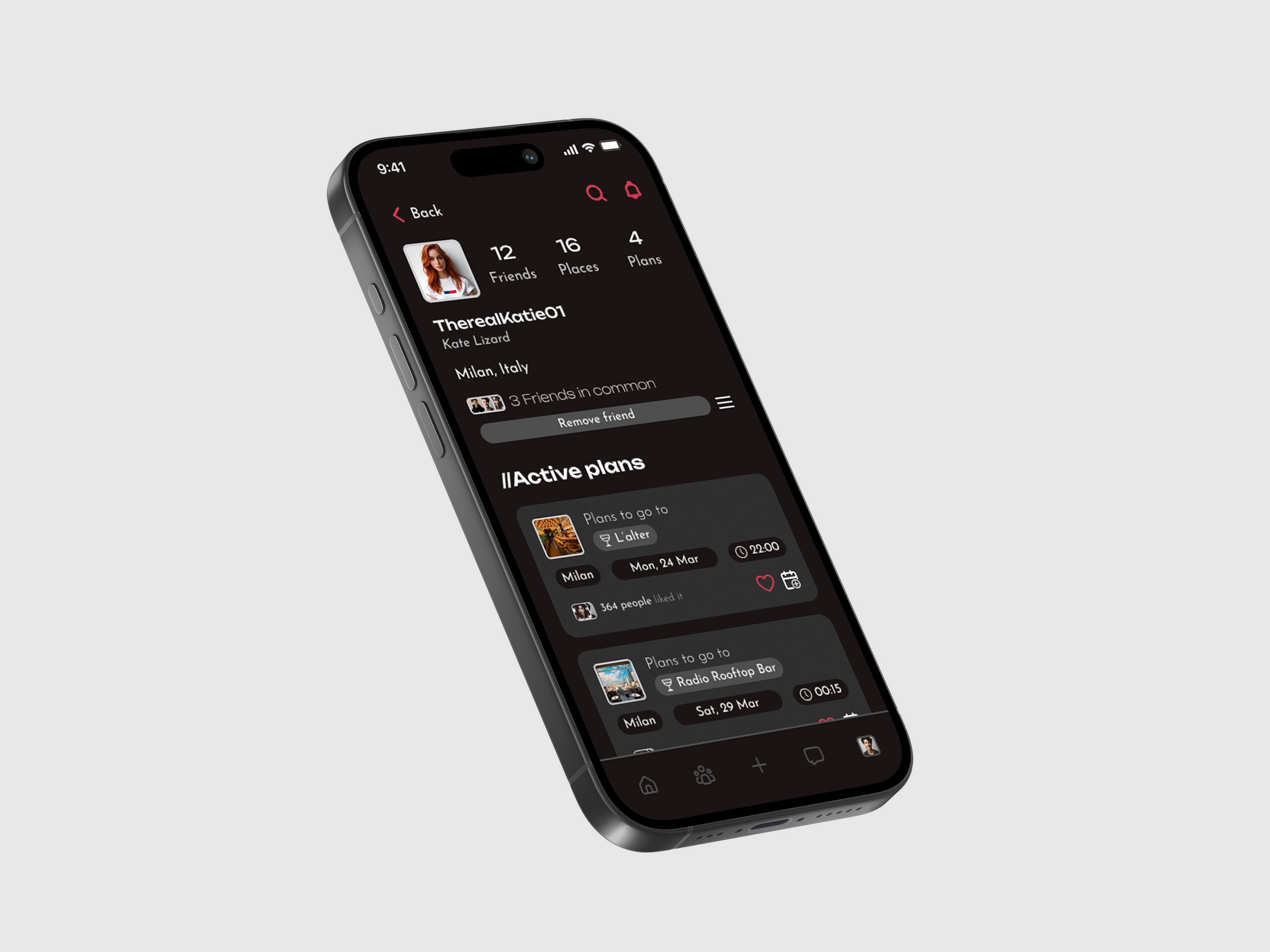
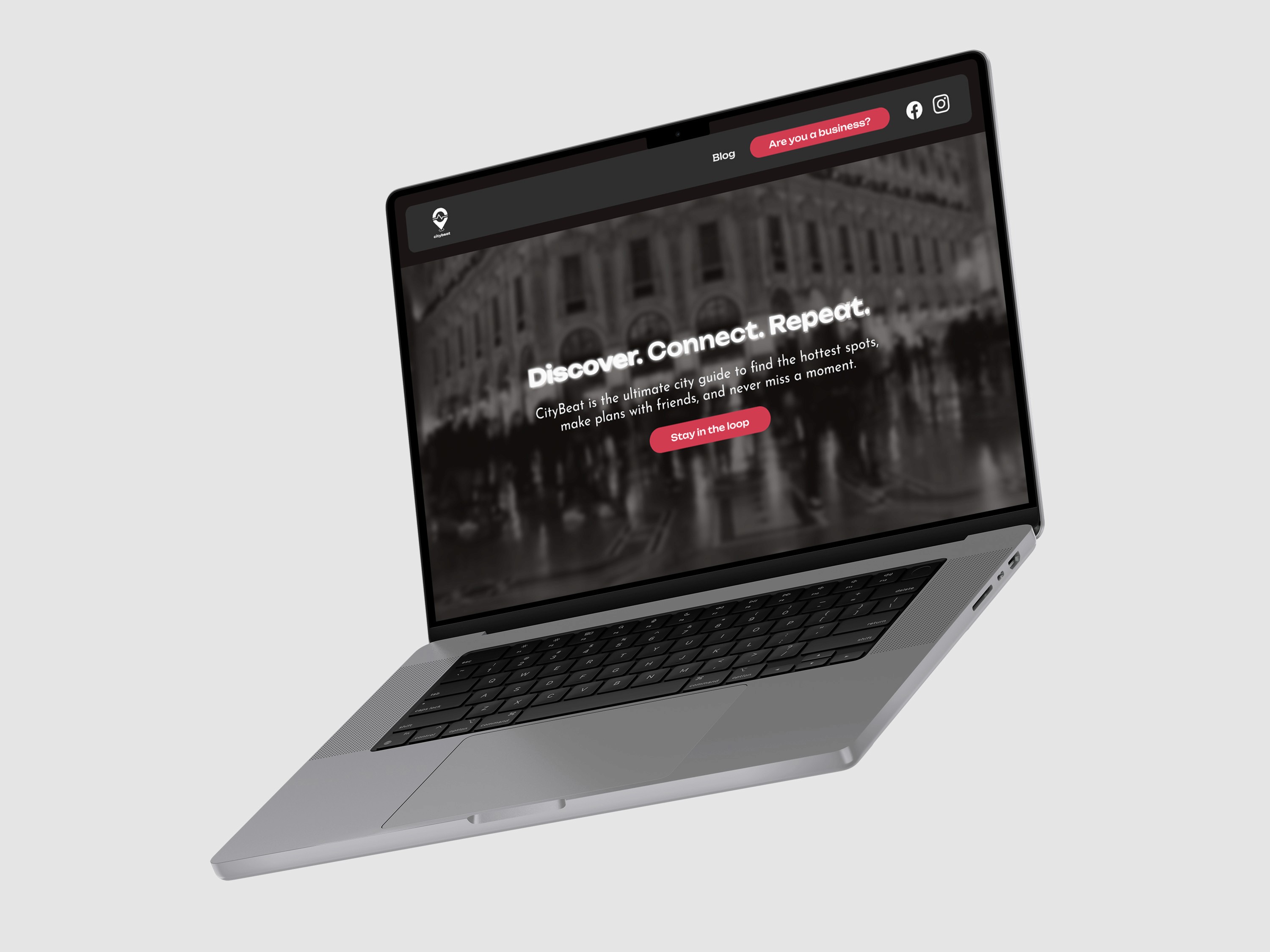
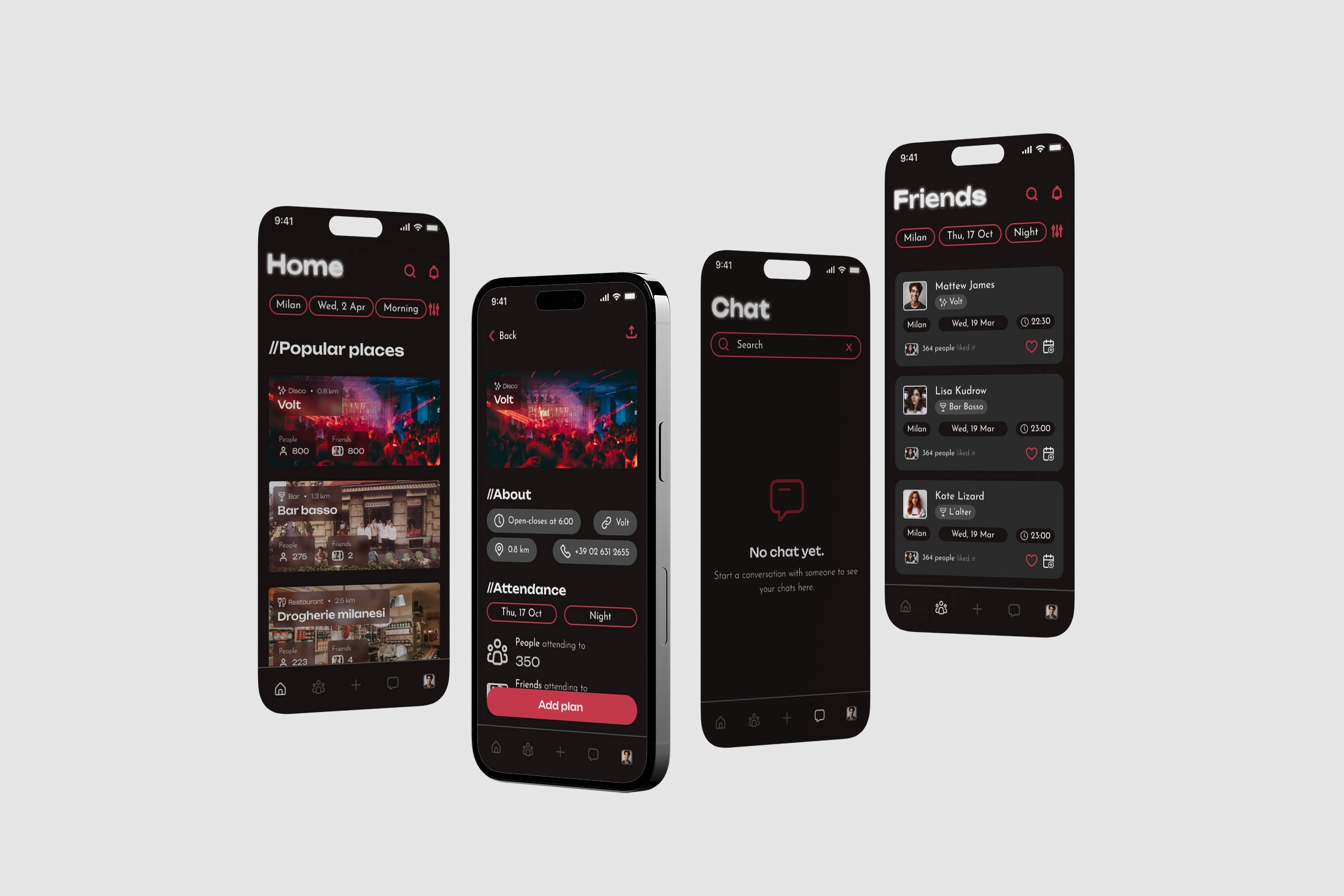
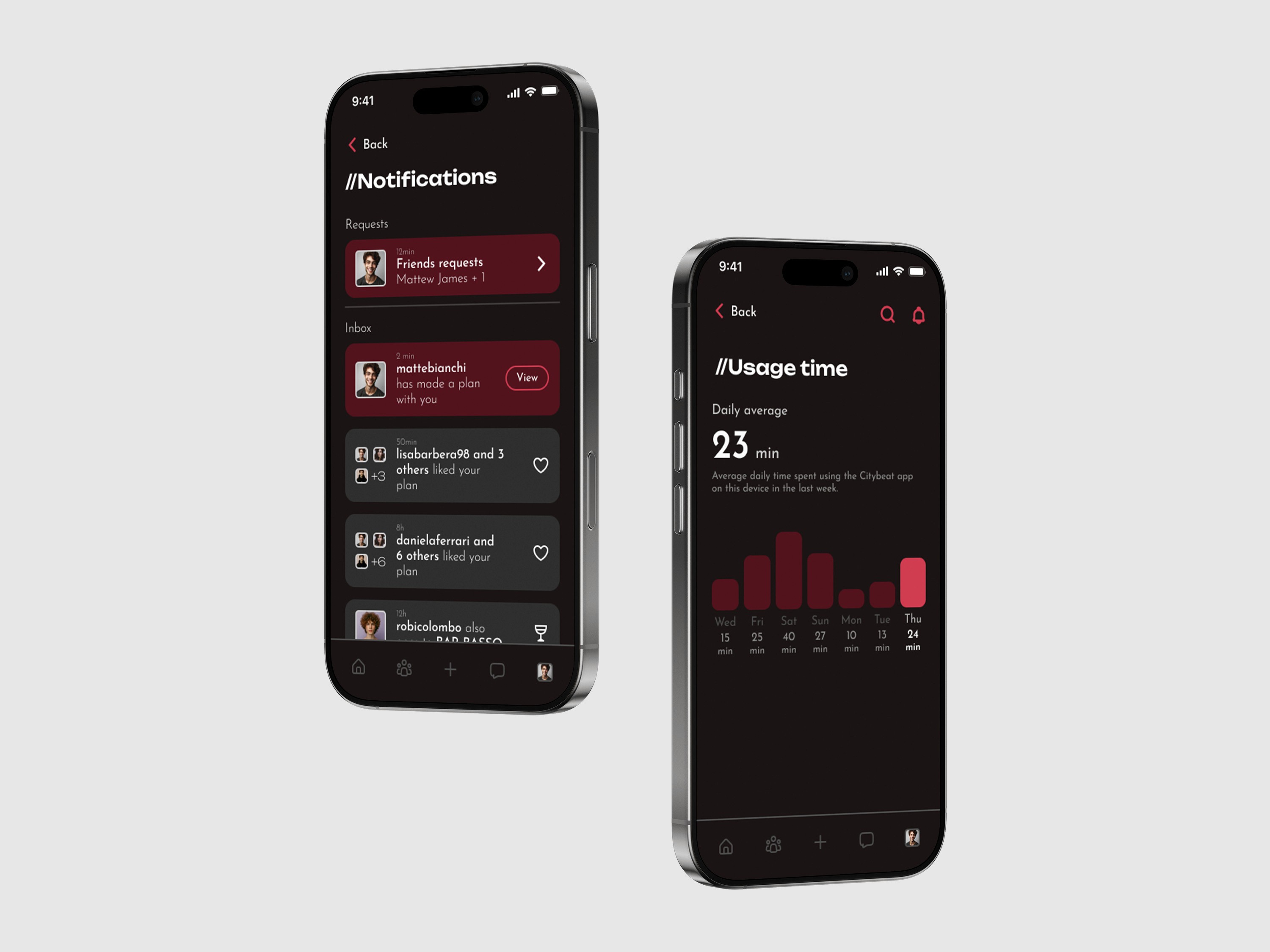
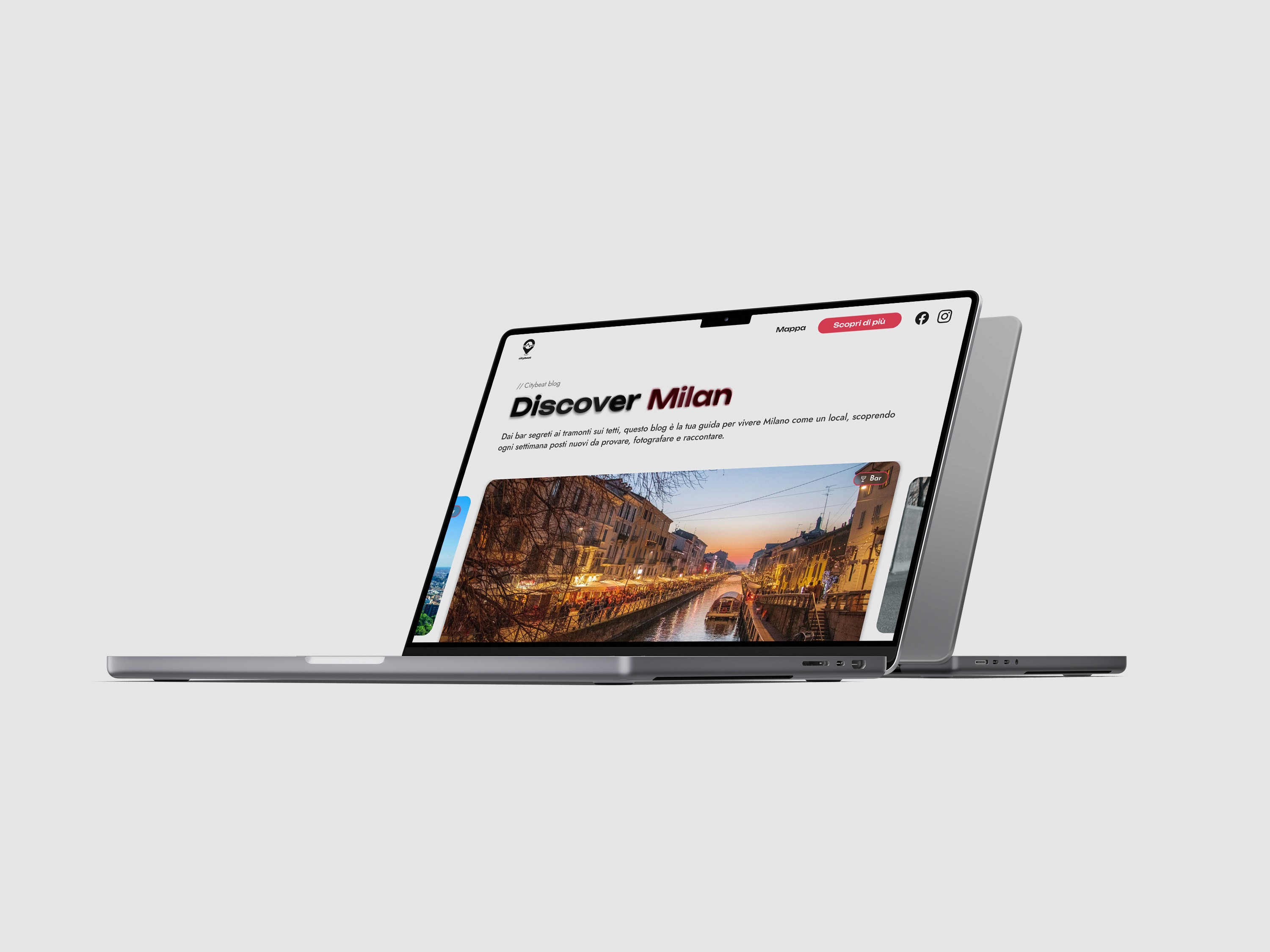
These mockups showcase Citybeat’s interface, the result of a user-centered and iterative design process.
The final outcome includes 50+ screens supported, balancing visual clarity, intuitive navigation, and seamless interactions across the product.
Reflections
User testing didn’t just validate decisions, it actively shaped them. Iterating based on real feedback proved far more effective than relying on initial assumptions alone.
Designing across three touchpoints required thinking in systems from the beginning. Components became reusable, adaptable building blocks rather than isolated UI elements.
The challenge was creating a distinctive visual identity without compromising usability. Strong solutions emerged when visual design and functionality worked together.
The process was not linear: visual identity, UI design, and user testing continuously influenced each other. Iteration became a core part of the design strategy, not a correction phase.
" height="21px" id="hQkO5vczd" transform="translate(2 5)" width="22px"/></svg>)
Contact
Interested in working together or discussing a project? Feel free to get in touch - I’d be happy to connect.
©danielelepore